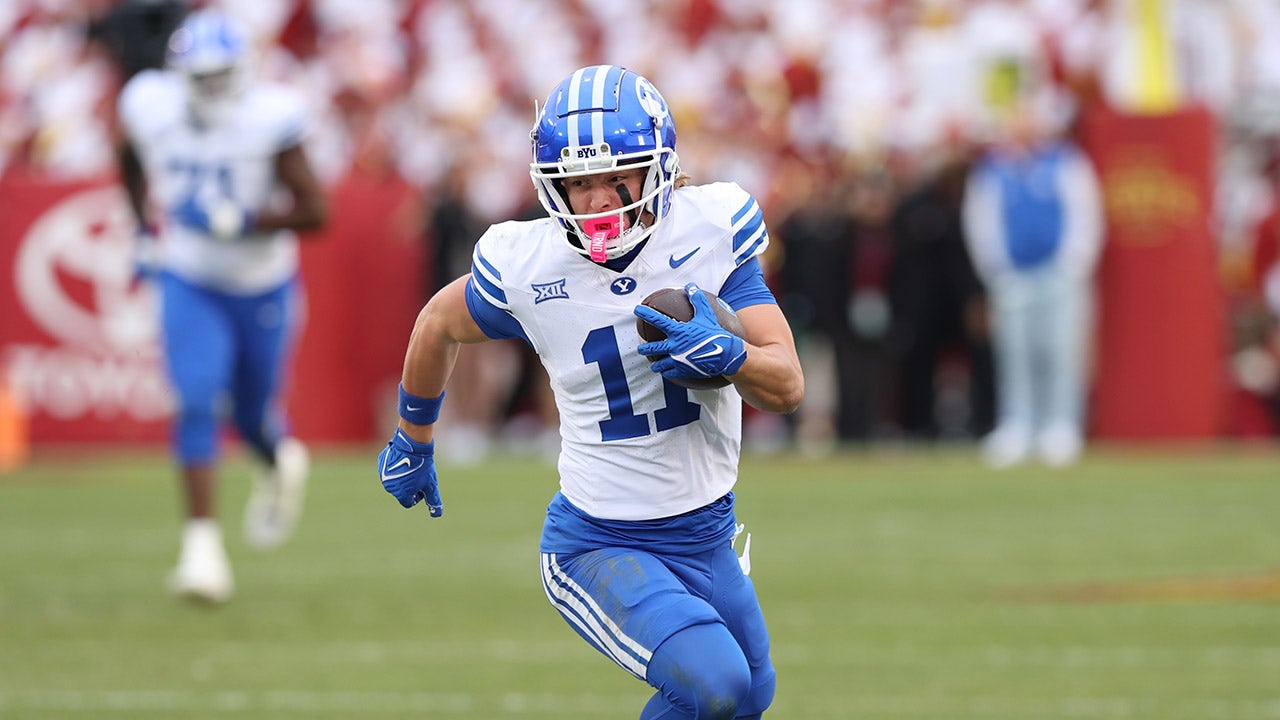
BYU Responds as Parker Kingston Faces First-Degree Felony Rape Charge Amid Intense Scrutiny
In a development that has sent ripples through the collegiate sports community and garnered significant public attention, BYU senior wide receiver Parker Kingston has been arrested and charged with first-degree felony rape by the Washington County Attorney’s Office. While many may be searching for updates on Kingston's personal life, including queries like "Parker Kingston Engaged," the current focus surrounding the BYU football player is on a far more serious legal matter stemming from an alleged sexual assault in February 2025. This article delves into the allegations, BYU’s official response, the ongoing legal process, and the broader implications for the university and its athletic programs.
The Gravity of the Allegations Against Parker Kingston
The charges against Parker Kingston are severe, classifying as a first-degree felony, which in Utah carries potential penalties of five years to life in prison. The Washington County Attorney’s Office initiated an investigation last year after a 20-year-old woman reported to St. George police that she had been sexually assaulted by Kingston on February 23, 2025.
According to an affidavit of probable cause that was unsealed on Thursday, the alleged victim had explicitly communicated with Kingston prior to their meeting, stating multiple times via online communication that she did not want to have sex with him and that he should not visit her if that was his intention. The affidavit underscores that the woman "disclosed that she set clear boundaries with Kingston prior to their meetup."
The events as described in the affidavit detail Kingston's arrival at the woman’s house in the early morning hours. They reportedly watched a movie and engaged in some sexual activity, though not intercourse. The woman claims that after Kingston began to fall asleep and she left the room to prepare for bed, he initiated sexual activity again upon her return. It was at this point, police reported, that the woman stated she told Kingston several times to stop and attempted to push him off her, before he allegedly raped her.
In an interview with police, Kingston maintained that all sexual activity was consensual. However, investigators gathered digital and forensic evidence and conducted interviews with both parties and other witnesses. Based on communications obtained from Kingston’s cell phone after the incident, the affidavit infers that he "went to her apartment with the intention of having sexual intercourse." These critical details from the unsealed affidavit provide a stark picture of the conflicting accounts and the evidence being presented by the prosecution. For a more in-depth look at the specific claims, you can read
Parker Kingston Rape Allegations: Details From the Unsealed Affidavit.
BYU's Official Stance and the Broader Impact
In the wake of Kingston's arrest, Brigham Young University released a concise statement acknowledging the serious nature of the situation. On Wednesday, BYU stated: “BYU became aware today of the arrest of Parker Kingston. The university takes any allegation very seriously, and will cooperate with law enforcement. Due to federal and university privacy laws and practices for students, the university will not be able to provide additional comments.”
This response is typical for universities facing such serious allegations against their students, balancing the need for transparency with legal and privacy obligations. BYU's commitment to cooperating with law enforcement highlights the institution's responsibility to uphold justice and its internal policies regarding student conduct. However, the statement also reflects the limitations on what a university can publicly disclose about an ongoing investigation involving a student.
Kingston, a prominent figure in BYU football, had previously announced his intention to return for his senior year in 2026. Last season, he distinguished himself as the team’s leading receiver and punt returner, making this news particularly impactful for the Cougars’ athletic program. Hailing from Layton, Utah, and having played for Roy High School, Kingston's athletic career at BYU has been a source of local pride. The charges against him cast a long shadow over his future in collegiate sports and will undoubtedly impact the team's morale and public perception.
The Legal Proceedings and What Lies Ahead
Parker Kingston was arrested on Tuesday and is currently being held without bail in the Washington County Jail, indicating the severe nature of the charge and the court's initial assessment of flight risk or danger to the community. A court appearance has been scheduled for 1:30 p.m. on Friday, where further details regarding his plea and bail status are expected to be addressed.
The investigation led by detectives with the St. George Police Department involved a thorough collection of digital and forensic evidence, along with extensive interviews. This evidence was then presented to the Washington County Attorney’s Office, which made the decision to formally charge Kingston. The judicial process will now unfold, with preliminary hearings, discovery, and potentially a trial. The outcome will hinge on the evidence presented by the prosecution and the defense's arguments, as Kingston maintains his innocence, claiming all sexual activity was consensual.
This case serves as a stark reminder of the complexities of sexual assault allegations and the importance of due process for both the accuser and the accused. The legal system is designed to thoroughly examine all evidence and testimony before reaching a verdict. Further details on the initial charges can be found in our related article:
BYU Football Star Parker Kingston Charged With Felony Rape.
Navigating Athlete Conduct and University Accountability
This incident brings into sharp focus the ongoing discussions surrounding athlete conduct, university accountability, and the broader societal issue of sexual assault. Universities, especially those with high-profile athletic programs, often face unique challenges when their student-athletes are involved in legal troubles.
*
University Policies: Most institutions have strict codes of conduct that apply to all students, including athletes. These codes often include provisions for immediate suspension or dismissal from teams, regardless of the outcome of criminal proceedings, especially when charges are as serious as first-degree felony rape. BYU will likely conduct its own internal review while cooperating with law enforcement.
*
Consent Education: The details emerging from the affidavit, particularly the allegations of clear boundaries being set and ignored, highlight the critical importance of ongoing, comprehensive consent education programs in universities. These programs aim to ensure that all students understand the meaning of affirmative consent and the severe consequences of non-consensual sexual activity.
*
Support for Victims: It is crucial that universities and legal systems provide robust support mechanisms for alleged victims of sexual assault, offering resources for physical and mental health, academic accommodations, and legal guidance throughout the often-traumatic process.
*
Due Process: While the allegations are grave, the principle of due process ensures that Parker Kingston is afforded every legal right to defend himself against the charges. The legal system will carefully weigh all evidence presented by both the prosecution and the defense.
The unfolding situation with Parker Kingston underscores the difficult balance universities must strike between supporting their student-athletes, upholding their institutional values, and ensuring justice is served.
Conclusion
The arrest and charging of BYU wide receiver Parker Kingston with first-degree felony rape mark a significant and deeply troubling moment for the university and the individual involved. As the legal proceedings commence, Parker Kingston remains in custody, and the BYU community awaits further developments with profound concern. The university has affirmed its commitment to cooperation with law enforcement, while adhering to necessary privacy guidelines. This case will undoubtedly continue to draw considerable attention as the legal process unfolds, serving as a powerful reminder of the imperative for justice, accountability, and the ongoing dialogue around consent and athlete conduct in collegiate sports.